
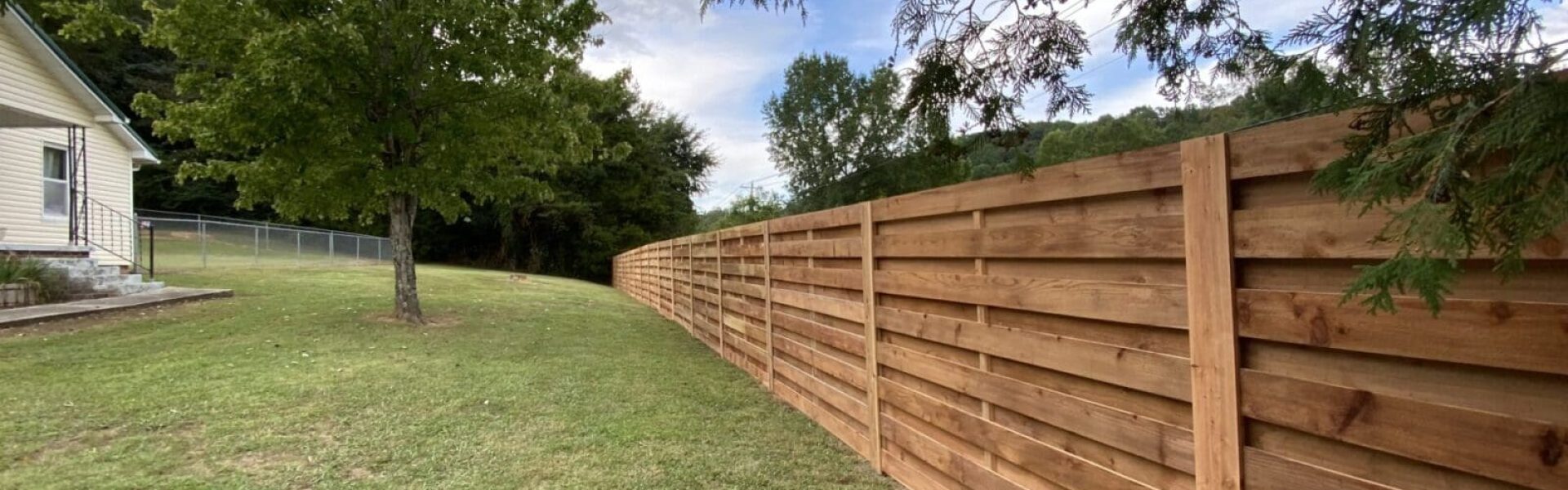
Privacy has become a premium feature for homeowners in 2026. With more people spending time at home, investing in outdoor living spaces, and prioritizing security and curb appeal, privacy fences are in higher demand than ever.
One of the first questions homeowners ask is how much does a privacy fence cost, and the answer depends on several important factors. On a national level, most homeowners can expect the average cost to install a privacy fence in 2026 to fall between $3,000 and $9,000, depending on the material, fence height, and total linear footage.
When broken down further, the price per foot for a privacy fence typically ranges from $20 to $60, with premium materials and custom designs pushing that number higher.
Understanding these averages helps set realistic expectations and gives you a starting point before comparing materials, designs, and installation options.
Table of Contents
Average Privacy Fence Costs at a Glance
While privacy fence pricing varies, having a high-level snapshot makes it easier to plan your budget before diving into details. National averages reflect material pricing, labor conditions, and demand trends heading into 2026.
Most standard residential privacy fence projects include materials, labor, and basic installation, though add-ons like gates or old fence removal can affect final costs.
Typical national price ranges include:
- Low-end projects: $3,000–$4,500
- Mid-range projects: $5,000–$7,000
- High-end or custom projects: $8,000–$9,000+
These ranges assume a standard 6-foot privacy fence installed by a professional fence contractor, with pricing influenced by material choice and property conditions.
National Average Breakdown
The national average cost reflects a combination of material prices, labor availability, and installation complexity. No two properties are the same, and the final price often depends on details such as fence style, height, and layout.
Key factors influencing nationwide pricing include:
- Material type and quality
- Fence height and thickness
- Labor cost for fence installation
- Terrain and soil conditions
- Local building permits and HOA guidelines
Because of these variables, homeowners may see prices shift even within the same neighborhood. Understanding what drives those differences makes it easier to compare estimates and avoid surprises later.
Cost Per Linear Foot by Material
One of the most common ways contractors calculate estimates is by linear foot. Knowing how much privacy fences are per foot by material type gives you the clearest starting point for budgeting.
- Wood privacy fencing: $20–$35 per linear foot
- Vinyl (PVC) privacy fencing: $30–$50 per linear foot
- Composite privacy fencing: $40–$60+ per linear foot
Taller fences, reinforced posts, and decorative upgrades will increase per-foot costs. These figures provide a helpful benchmark before reviewing material-specific pros, cons, and long-term value.
Breaking Down Costs by Material
Material choice is one of the biggest factors that impact how much a privacy fence costs. Each option comes with different upfront pricing, maintenance needs, and long-term value.
Wood Privacy Fences
Wood remains one of the most popular and cost-effective privacy fencing options. On average, a wood privacy fence costs between $20 and $35 per linear foot in 2026, depending on the type of wood used.
Pressure-treated pine is typically the most budget-friendly option, while cedar costs more due to its natural resistance to rot and insects. While wood fences require regular upkeep, many homeowners appreciate the natural appearance and lower upfront investment.
Vinyl (PVC) Fences
Vinyl privacy fences are known for their clean appearance and minimal maintenance requirements. In 2026, vinyl privacy fence costs typically range from $30 to $50 per linear foot.
When comparing a vinyl vs wood fence, it’s important to consider long-term value. While vinyl typically comes with a higher upfront cost, it can last for decades with little more than occasional cleaning. Over time, its low maintenance needs often help offset that initial investment.
Composite Fencing
Composite fencing is a premium option that offers durability with minimal upkeep. Made from a mix of wood fibers and recycled plastics, composite fences resist warping, rot, and insect damage.
Homeowners can expect composite privacy fence costs to range from $40 to $60 or more per linear foot in 2026. This higher price point reflects the material’s strength, longevity, and reduced maintenance demands.
Other Cost Factors
Material is only one part of the equation when calculating how much a privacy fence costs. Several additional factors can raise or lower the final price, and many homeowners are surprised by these expenses if they are not planned for ahead of time.
Common cost factors include:
- Labor cost for fence installation, which varies based on experience and project complexity.
- Old fence removal, especially if concrete footings must be taken out.
- Fence height, with 8-foot fences costing more than standard 6-foot designs.
- Sloped or uneven terrain that requires extra grading or stepped panels.
- Gates, access points, and custom hardware.
- Painting, staining, or sealing for wood fences.
- Building permits and local inspection requirements.
- HOA guidelines that limit height, color, or material options.
Factoring in these elements early helps prevent budget surprises and keeps your project on track.
Professional Installation vs. DIY
Many homeowners consider installing a privacy fence themselves to save money, but DIY projects often cost more than expected once time, tools, and mistakes are factored in.
DIY installation typically requires specialized tools, accurate measurements, and a significant time commitment. Errors such as uneven posts or improper spacing can reduce the fence’s lifespan and lead to costly repairs. Hiring a professional fence contractor helps ensure the job is done correctly the first time.
Professional installation includes proper post setting, compliance with local building codes, and warranties that protect your investment. At Champion Fence, we offer expert fence installation services that save homeowners time and stress while delivering reliable results.
Tips to Save Money Without Sacrificing Quality
A privacy fence is a valuable investment, but there are smart ways to manage costs without cutting corners. Planning ahead with a fencing calculator and making strategic choices can help reduce the average cost to install a privacy fence in 2026.
Homeowners looking to save money should consider:
- Requesting multiple quotes from a professional fence contractor.
- Choosing standard fence heights and layouts.
- Limiting decorative features and custom add-ons.
- Selecting materials that balance upfront cost and long-term maintenance.
- Scheduling installation during slower seasons when availability is higher.
These steps help control expenses while still ensuring quality workmanship and long-term performance.
Does a Privacy Fence Increase a Home’s Value?
A privacy fence may not directly increase a home’s appraised value, but it can make a property more appealing to buyers. Features such as added privacy, defined outdoor space, and improved curb appeal often help homes stand out in competitive markets.
A well-maintained fence can also signal that a home has been cared for, which can positively influence buyer perception. In neighborhoods with families or pets, privacy fencing is often viewed as a desirable upgrade that supports everyday use of the property.
Build Your Ideal Privacy Fence with Champion Fence
Understanding how much a privacy fence costs, and what you’d pay per foot for privacy fence installation, is the first step toward creating a more private, secure, and attractive outdoor space.
Champion Fence has been serving homeowners for generations, delivering dependable craftsmanship, honest pricing, and professional results. Whether you’re replacing an old fence or installing a new one, our team is ready to help you design a solution that fits your property and budget.
To get started, request a free estimate and speak with a local fencing expert today.
FAQs
How long does a privacy fence take to install?
Most privacy fence installations take 1 to 3 days, depending on the size of the project, material choice, and property conditions. Larger yards, uneven terrain, or added features like gates can extend the timeline slightly.
When’s the best time to install a privacy fence?
Spring and fall are often ideal for fence installation due to moderate weather and stable ground conditions. That said, professional fence contractors install fences year-round, and scheduling during slower seasons may help reduce overall costs.
Which fence material lasts the longest?
Vinyl and composite fencing generally last the longest, often exceeding 25–30 years with minimal maintenance. While wood fences have a shorter lifespan, proper care, such as staining and sealing, can significantly extend their durability.
How Long Does Stain Take to Dry?
Most fence-staining failures occur when homeowners do not let the stain dry long enough. Dry time refers to the period between stain application and when
Pool Fencing: A Complete Guide to Safety and Style
In Tennessee, having a pool is one of the best ways to enjoy the summer with family and friends. But as great as a backyard
Fence Materials That Survive Tennessee Humidity in Knoxville
If you live in Knoxville, Tennessee, you know the weather can be a bit unpredictable. From humid summer days to intense rainfall and freezing winter