If you live in Knoxville, Tennessee, you know the weather can be a bit unpredictable. From humid summer days to intense rainfall and freezing winter nights, your fence needs to stand strong against the elements.
Choosing the right fencing material is crucial to ensuring it survives these temperature swings, high moisture levels, and the clay-heavy soil that tends to shift with the seasons.
As your trusted Knoxville fence company, we’ll walk you through the best fencing materials for Tennessee’s challenging climate and provide professional tips for keeping your fence in great condition year after year.
Table of Contents
Why Does Humidity, Heat, and Clay Destroy Fences?
Tennessee’s humid climate presents unique challenges for fences, especially those made of wood. The state’s high humidity promotes mold and mildew growth, which can lead to rot. UV rays from the sun also cause wood fibers to break down, weakening the structure over time.
On top of that, the area’s clay soil, which is prone to expanding and contracting, can cause fence posts to loosen or shift, leading to uneven gates and unstable fences.
Top Fence Materials for the Knoxville Climate
Choosing the right material for your fence installation in Knoxville is essential to ensuring its longevity in humid, unpredictable weather. While aesthetics are important, durability against moisture, UV rays, and shifting soil should be your primary focus.
Below are the best materials that can withstand Tennessee’s weather conditions:
|
Material |
Durability in Humidity |
Maintenance Needs |
Cost Range |
Lifespan |
|
Vinyl Fencing |
High |
Low |
$$$ |
25+ years |
|
Aluminum Fencing |
High |
Low |
$$ |
30+ years |
|
Western Red Cedar |
Moderate |
High |
$$ |
15-20 years |
|
Composite Fencing |
High |
Moderate |
$$$ |
25+ years |
Vinyl Fencing: The Low-Maintenance Humidity Champion
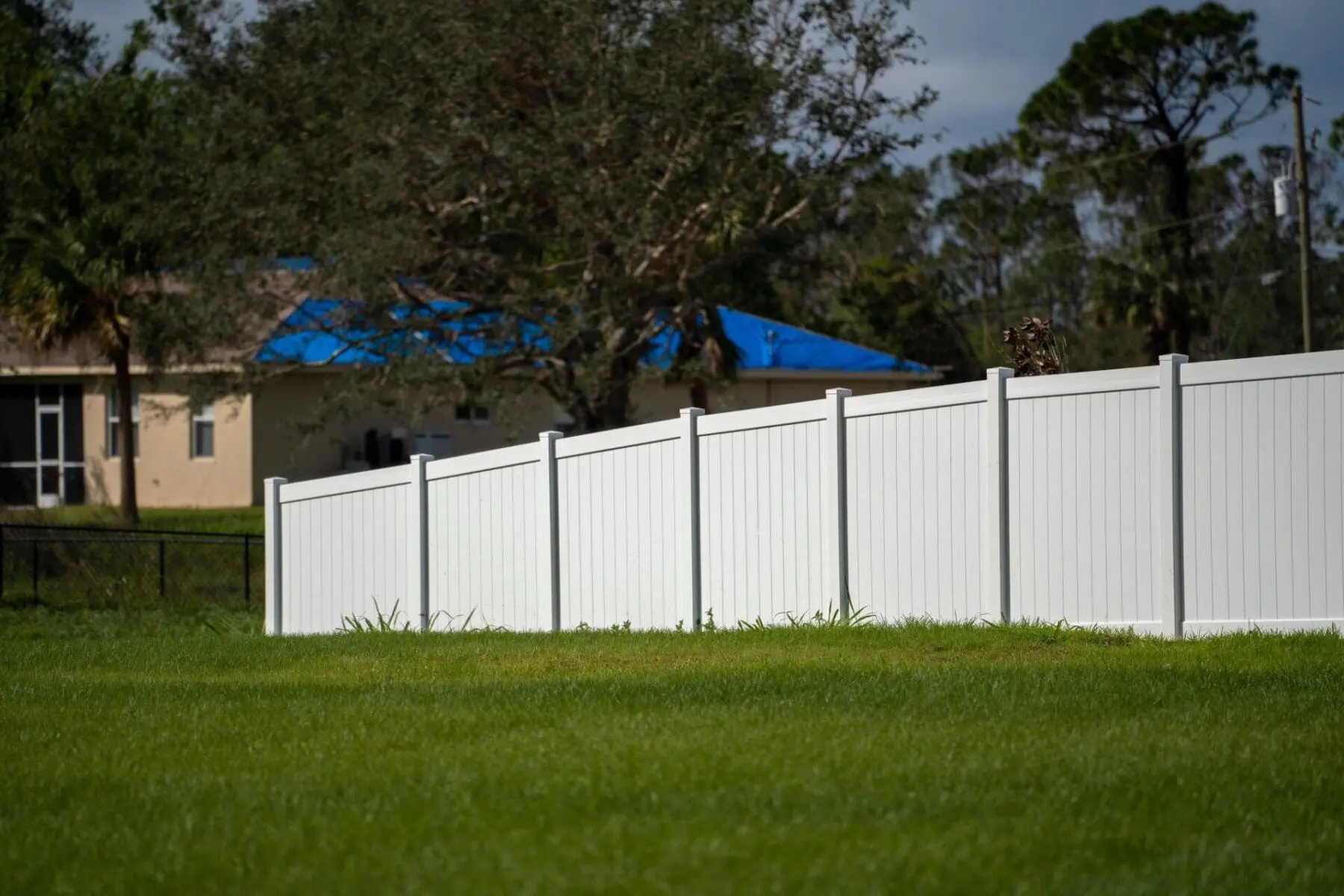
When it comes to high humidity, vinyl offers an affordable fencing solution in Knoxville. Vinyl is non-porous, which means it does not absorb moisture like wood, making it resistant to rot and decay. It’s also highly resistant to insects, a common problem for wood fences in humid climates.
When choosing vinyl fencing in Tennessee, make sure you select high-quality vinyl that contains UV inhibitors to prevent yellowing from prolonged sun exposure. While it may cost more initially, vinyl can be an affordable long-term solution thanks to its low maintenance requirements and resistance to weathering.
Aluminum and Ornamental Steel: Rust-Resistant
If you’re looking for an elegant and durable fencing solution, aluminum and ornamental steel are excellent choices. Both materials are naturally rust-proof, making them ideal for Tennessee’s humidity. Aluminum is a lightweight, budget-friendly option, and ornamental steel offers a more robust, decorative alternative.
It’s important to note that while these metals resist rust, they are still vulnerable to “chalking,” which occurs when heat causes the powder coating to break down. To combat this, choose aluminum or steel with a high-quality powder-coated finish that is designed to withstand the region’s heat and UV rays.
Western Red Cedar: The Natural Wood Standard
Western red cedar is a popular choice for those who prefer a natural wood look while still benefiting from a durable material. Cedar has natural oils that resist rot and decay, making it better suited for humid environments than other wood options like pressure-treated pine.
However, cedar still requires regular maintenance to withstand Tennessee’s 50+ inches of annual rain. For maximum durability, cedar fences should be sealed by professionals every few years to prevent moisture penetration and keep the wood from cracking or warping.
Composite Fencing: The Best of Both Worlds
For homeowners who want the look of wood with the durability of synthetic materials, composite fencing is the perfect option. Made from a mix of wood fibers and plastic, composite fences offer moisture resistance and are less likely to warp or crack compared to traditional wood fences.
Composite materials are also eco-friendly, often made from recycled materials, and require minimal maintenance. They can be a bit more expensive upfront, but are a great long-term investment in Tennessee’s humid climate. At Champion Fence, we offer flexible financing options to help make your fence dreams a reality.
Professional Secrets to a 20-Year Fence in East Tennessee
Building a fence that lasts in East Tennessee requires more than just choosing the right material. Here are some professional tips to ensure your fence survives the region’s weather for years to come:
Deep Post Setting and Clay Soil Drainage
One of the most crucial steps in ensuring your fence lasts is proper post installation. To prevent your fence posts from shifting due to the expanding and contracting clay soil, it’s essential to set posts at least 24–30 inches deep, ideally below the frost line.
Additionally, using gravel at the base of post holes allows water to drain away from the wood, preventing the posts from rotting over time.
The "Ground Gap" Rule for Wood Fences
For wood fences, it’s critical that the wood pickets never touch the soil. When wood comes into contact with the ground, it can “wick” moisture up into the material, leading to premature rot. To prevent this, professional fence installers recommend a ground gap of at least 2-3 inches between the wood and the soil, which helps keep the fence dry and stable.
Maintenance Strategies for High-Humidity Environments
Keeping your fence in top condition requires regular care, especially in a humid climate like Knoxville’s. Here’s a seasonal checklist to help homeowners stay on top of fence maintenance:
- Spring: Clean vinyl fences with mild detergent or vinegar solution to remove mildew. Check wood fences for mold and scrub with a diluted bleach solution.
- Summer: For vinyl, use a low-pressure power washer to clean stubborn mildew. Inspect wood fences for warping or discoloration from the sun and touch up with stain if needed.
- Fall: Wood fences should be stained every 2-3 years for protection. Vinyl fences need inspection for cracks or fading.
- Winter: After snow or ice, check for damage. Clear ice from vinyl and ensure wood fences remain stable.
Staining vs. Sealing: Protecting Your Investment
When it comes to protecting wood fences, it’s important to understand the difference between staining and sealing. While both protect the wood from the elements, staining is often a better choice for Tennessee’s climate.
A breathable, deep-penetrating oil stain allows the wood to expand and contract with the temperature changes without cracking or peeling. On the other hand, topical sealants can trap moisture inside the wood, causing rot and mildew over time.
By applying a high-quality stain every 2-3 years, you ensure your wood fence maintains its beauty and durability in Tennessee’s humid environment. Sealing should be reserved for wood that is in areas with less exposure to the elements.
Common Fencing Mistakes Knoxville Homeowners Make
While choosing the right material is important, there are other mistakes that homeowners can make that affect the longevity and appearance of their fence.
Here are some common pitfalls to avoid:
Buying Pre-Made Panels from Big Box Stores
While convenient, pre-made panels often use lower-quality materials that don’t withstand Tennessee’s weather. These fences may sag, warp, or degrade much quicker than custom-built fences made from higher-quality materials.
Not Checking Local HOA or Zoning Laws
Before installing a fence, it’s important to check with local homeowners associations (HOAs) or zoning offices to ensure compliance with regulations. Failing to do so could result in fines or having to tear down the fence.
Ignoring the Importance of Clay Soil
Many homeowners overlook the impact of Knoxville’s clay soil when installing a fence. Without proper post setting or drainage, the soil’s shifting can cause the fence to lean or collapse. Always ensure posts are set deep enough to avoid this issue.
Ready to Build a Weather-Proof Fence?
With Knoxville’s humidity and fluctuating temperatures, you need a fence that’s as tough as the weather. At Champion Fence, we offer expert advice and top-quality materials to ensure your fence survives the elements. Contact us today for a professional consultation and a fence that’s built to last.